
Designing Passions - How to Find Them?
Where do passions come from?
Why do some people have them and others don’t? And why are we interested in these particular things…?
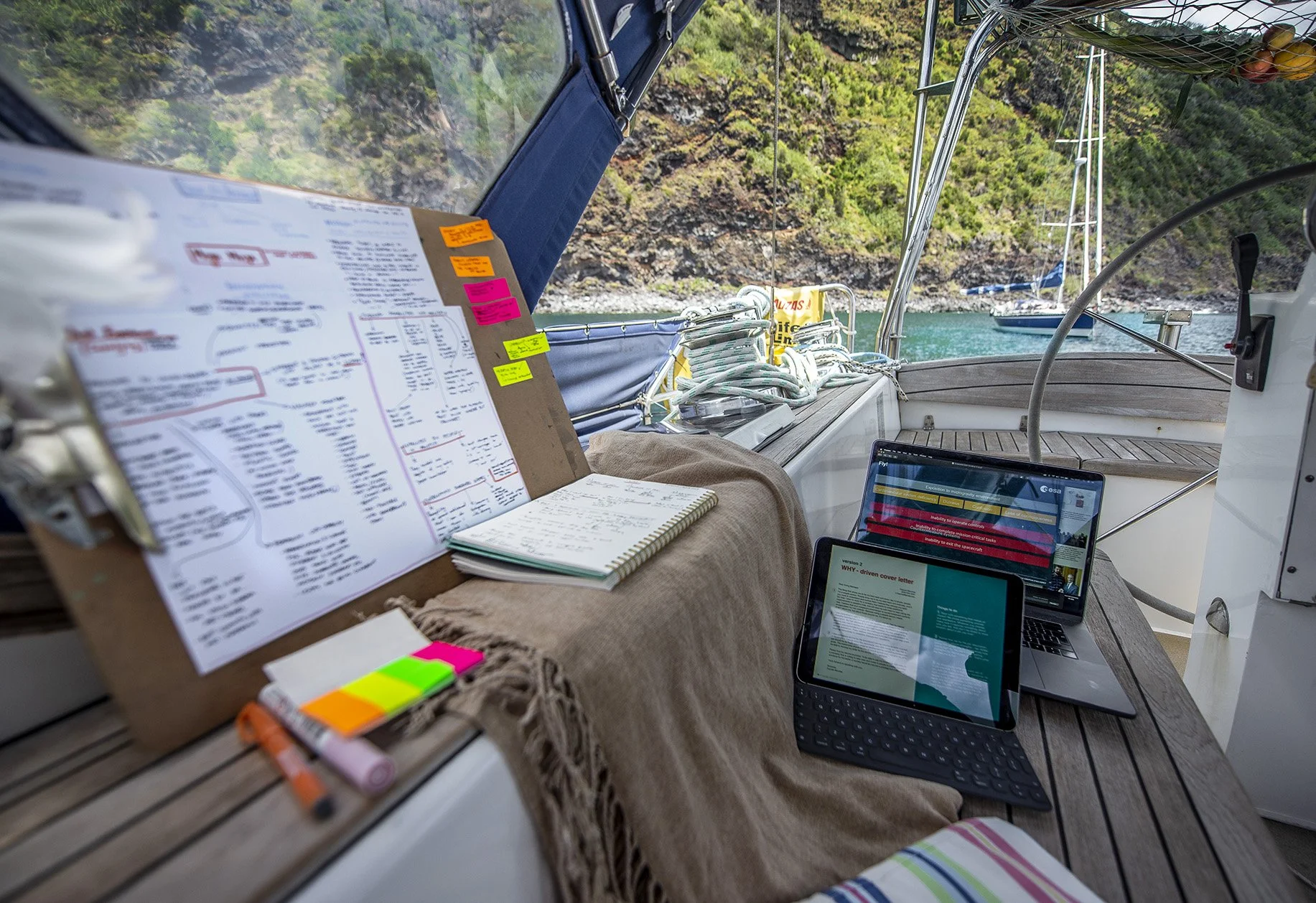
MY STORY is that my passions have changed over time, and each of them had an intense life of its own.
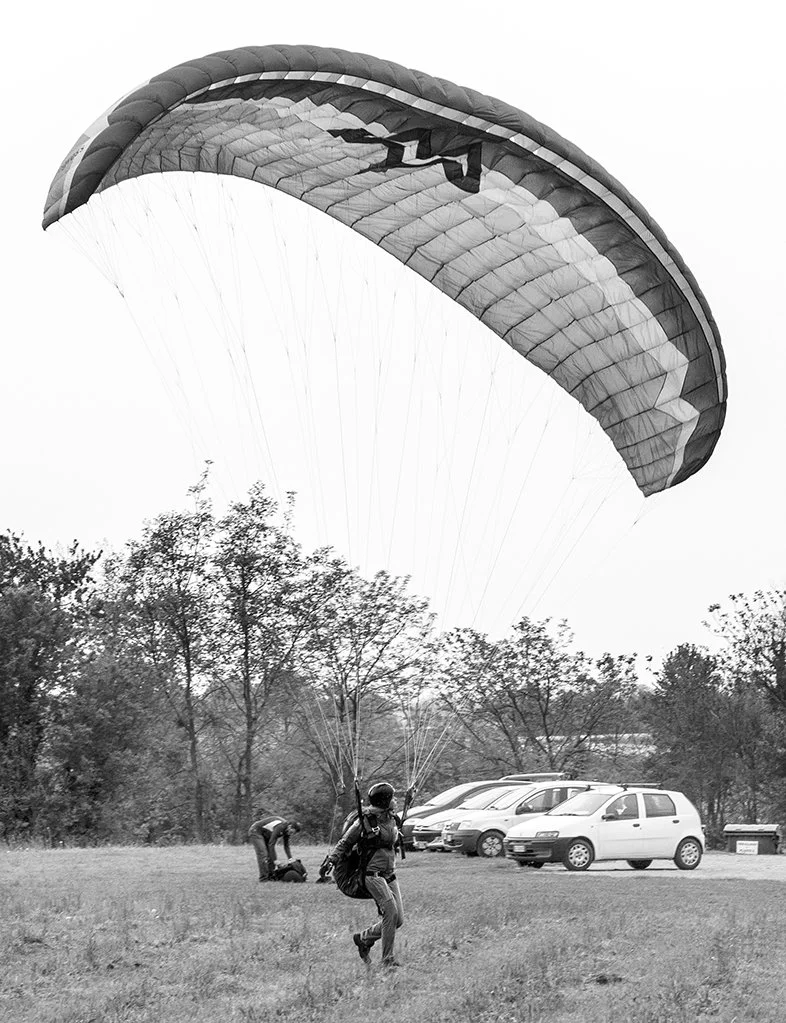
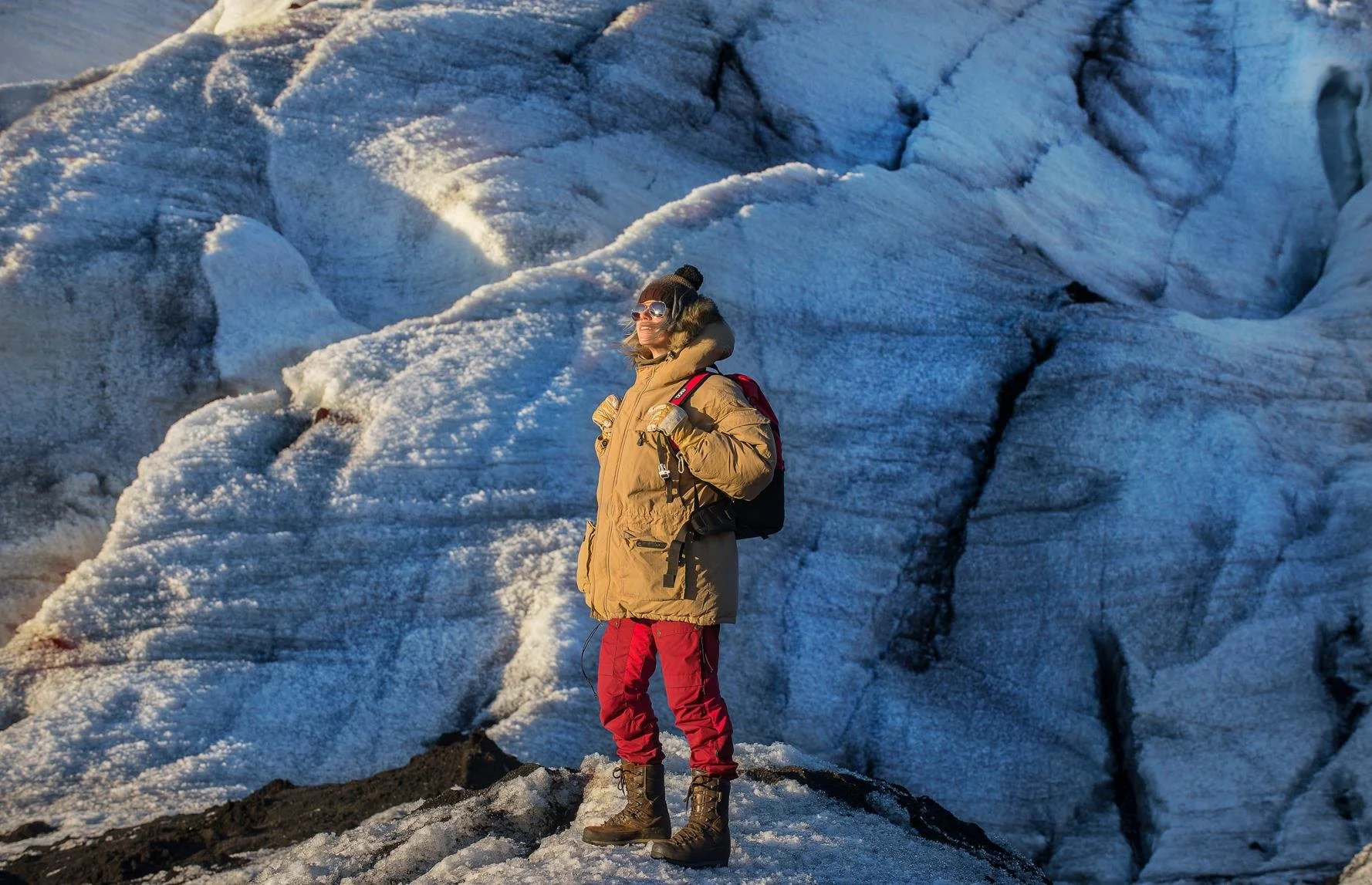
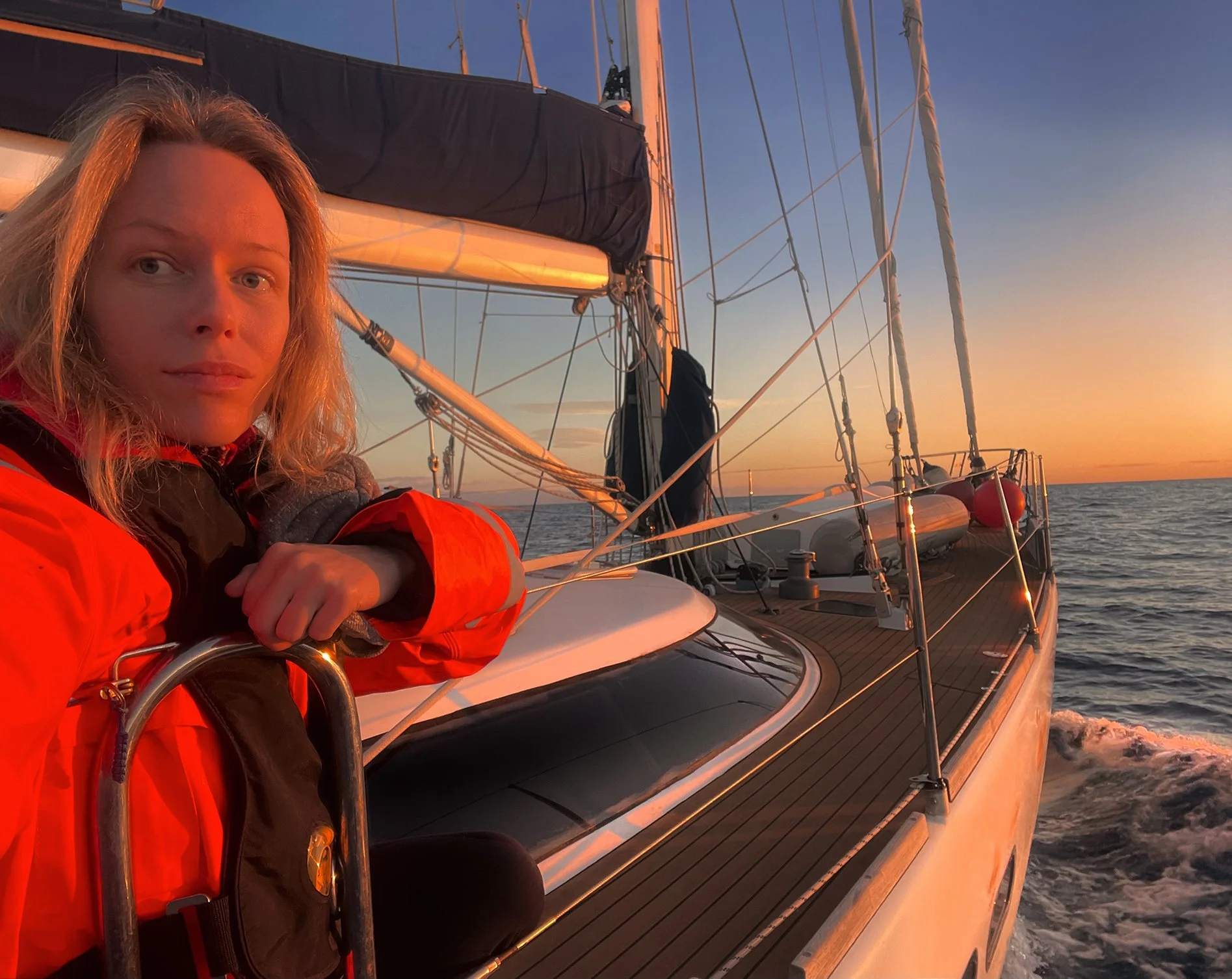
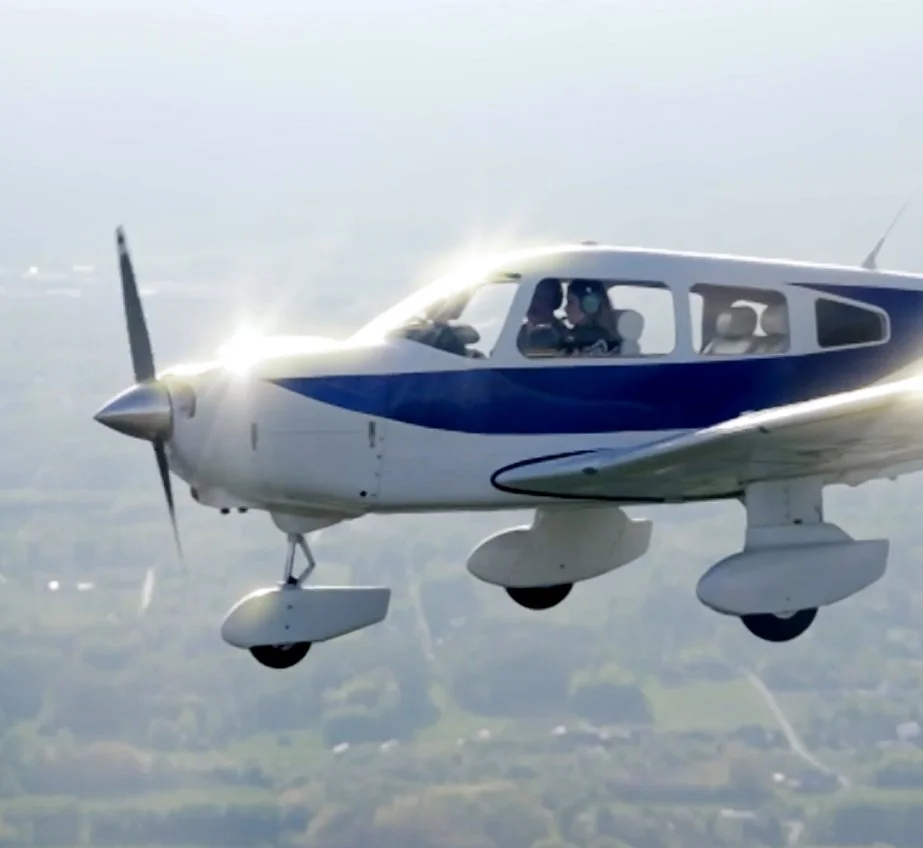
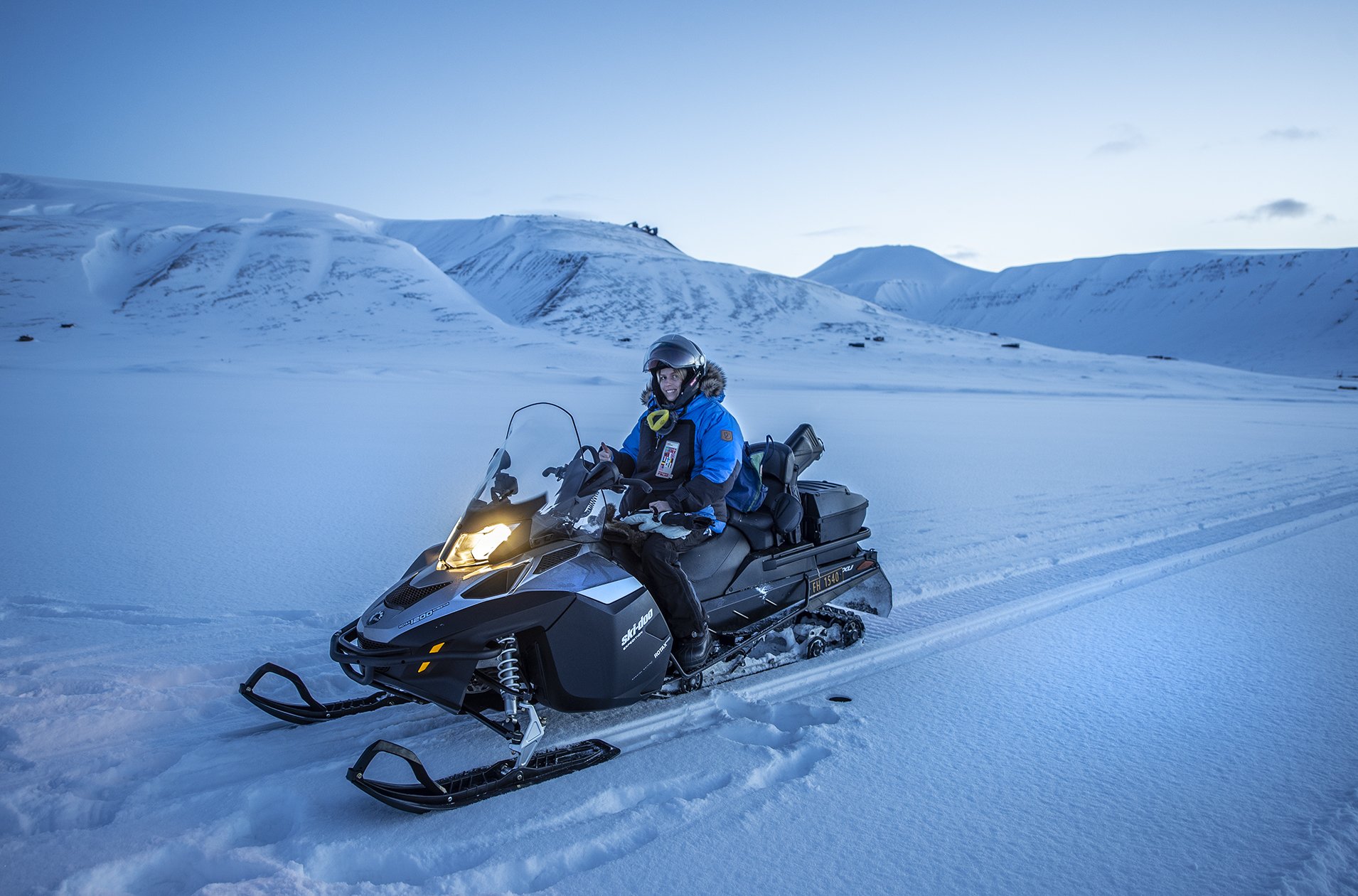
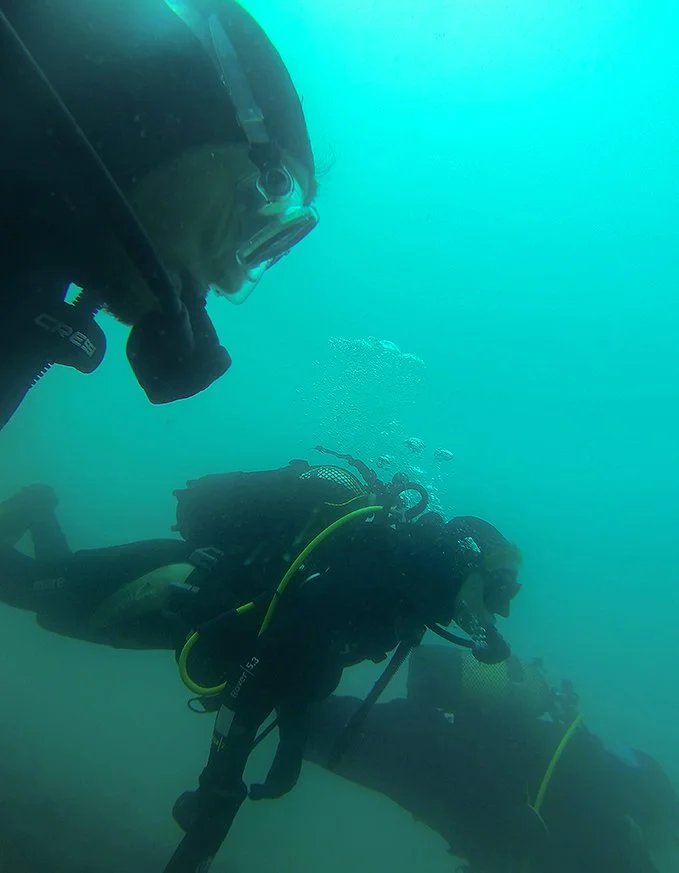
I wanted to become a pilot, but those dreams collapsed. At that time, my passion was creating worlds, connecting ideas for comics and computer games. Later, I evolved from the “office” world into the outdoor world: mountain trekking, professional survival training, polar expeditions, and dog sledding. After all that, I ended up with ocean sailing and diving.


Three Sources of Passion
There are three main sources from which we draw passion through powerful links (and if we don’t have it, these are the directions we tend to follow):
NOSTALGIA
TRAUMA
INSPIRATION
Nostalgia
What we did in the past during our development; events, favorite memories, a strong attraction to childhood activities. Nostalgia evokes feelings of joy and warmth, as well as a sense of safety. It strengthens self identity and define who we are.
Example:
As a child, I traveled frequently because of my parents’ careers, which is why discovering new places is nostalgic for me. Boarding an airplane triggers a strong sense of familiarity and calm. This is my primal element — to be traveler, explorer.
Example 2:
I like drawing wolves and fantasy creatures because I felt strong nostalgia connected with the joy of drawing at home after school. I enjoyed sharing these works online and received a lot of feedback. That’s why it’s hard for me to switch to another artistic form—I don’t feel abstract art. Oh, and I like the smell of crayons.
Trauma
Trauma is an extremely powerful “switch” for passion. This is a complex topic, but positively processed trauma can turn into curiosity. Trauma releases enormous emotions and powerful energy which—if we choose—can be converted into curiosity.
Positive processing of trauma → gives rise to curiosity and respect.
Example:
I experienced a traumatic near-drowning during an unfortunate diving course. I was very afraid of water. When a friend suggested another course, I naturally said “no,” but instinctively I wanted to overcome this fear. At that moment, curiosity was born: what did I do wrong, and how does the underwater world really work? During the course, I absorbed every lesson and every task understanding what is lethal for me. After passing the exam, I discovered a passion for the element of water within myself.
Example 2:
Sailing. I spontaneously set off on an unfamiliar yacht and was “trapped” on the route for over 1,000 miles. It was terrifying and completely unpleasant. I shouted that I was quitting at the next port! But I didn’t give up. We reached the end, I returned to land… and I couldn’t stop thinking about experiencing storms! I decided I wanted to return to that feeling, the smell of the yacht (here nostalgia appears again), and the respect for the sea. I wanted to learn everything—and that’s how I became a captain.
Inspiration
This is the weakest trigger of passion and usually has a short lifespan. Most often it works when we meet people who inspire us, command our respect, or act as mentors. We want to be like them or adopt their passion. However, it is not as strong as nostalgia or trauma, because those activate deep emotional chemistry.
Example (short-lived):
In my youth, while traveling, I met a girl who played rugby. She inspired me and infected me with her passion. I was interested in the sport, but when our friendship ended, the interest faded. What remained, however, was a passion for Toyota FJ cars, which we drove around America—here nostalgia appears again!
Example (longer-lived):
My mentor was the late Andrzej Wilczopolski, a world champion in dog sledding. On my very first visit, I saw the extraordinary Greenland dog breed. His knowledge, humility, relationship with the dogs, and unique breeding line awakened my admiration. Curiosity was born, the feeling of nostalgia for winter trips, and enormous emotions. The passion grew because I learned from the best and became an expert myself. For a passion to live long, one must grow together with it, achieve mastery, and pass the expertise on to others. A career based on passion is the best solution. In my case, the era of dog sledding came to an end because there were no further opportunities for development or financial sustainability. It lasted 10 years.
Verdict
In my case, despite many interests—from dreams of being a pilot, train driver, or off-road driver, through dog sledding, mountain trekking, cross-country skiing, drawing, world-building, computer games, diving, and many others—sailing developed most strongly within me.
It is a vast world that offers constant discovery, meeting people (the community greatly helps sustain passion), and sharing experience. I sailed on many different vessels, and today I am at the stage of earning a living as a captain. In the future, I want to build my own yacht, or compete in the Vendée Globe regatta.
A Career Built on Passion Happens When:
we have the opportunity for continuous discovery and growth
there is a supportive community
our sense of self-worth increases
we can support ourselves financially (rather than subsidizing it)
we teach others or inspire them